
In presence and live on YouTube
IN THIS FOLDER: photos, presentation and a Link to the recording
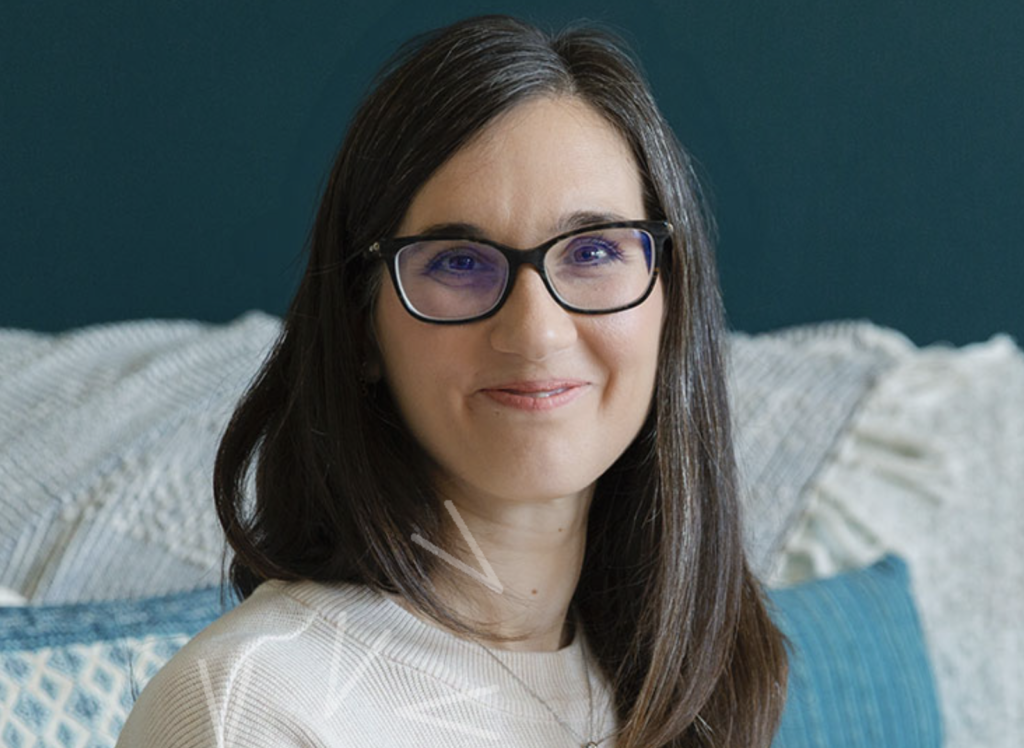
The workshop opened with a clear definition: multilingualism is the use of two or more languages in everyday life. From the first slide, Anna Aresi invited parents to view multilingualism neither as a series of separate skills, nor as an academic target, but as a lived reality embedded in relationships, contexts, and meaningful use.
She emphasized that multilingual development is not linear. Children do not progress through languages in uniform stages. Rather, each language occupies specific roles in a child’s life. Some languages may be dominant in school, others at home, others in social or cultural settings. This unevenness is normal and expected.
Anna outlined the benefits of multilingualism with clarity:
- Enhanced cognitive flexibility
- Improved executive function
- Broader social and cultural awareness
- Deeper capacity for empathy
Parents were shown evidence from research that multilingual children routinely draw on all of their languages, not separately but integratively. Language ability is not about perfect performance in each language; it is about the functional use of whatever languages the child has access to.
Aresi then shifted to practical approaches. She stressed that multilingual support succeeds best when it starts from meaningful activities. Language learning is not abstract; it is embedded in routines, relationships, and experiences that matter to the child. Reading together, family rituals, shared hobbies, and intergenerational conversations were offered as examples of natural language ecosystems.
Her slides presented a series of strategies for families:
- Identify the emotional and social functions of each language.
- Build language practices around interests and motivations.
- Use consistent but flexible routines rather than rigid rules.
- Welcome mistakes as part of the developmental process.
Aresi addressed common misconceptions. She clarified that there is no single “best age” to introduce a language. Rather, the focus should be on quality of interaction. Frequent, engaging use of language in real contexts trumps drilling vocabulary or grammar in isolation.
Throughout, Anna reframed parental concerns. Questions about imbalance in proficiency, code-mixing, and dominance of one language were met with evidence and reassurance: these phenomena are common, expected, and not signs of harm. They are indicators of how children navigate their linguistic worlds.
The final section of the slides articulated an overarching message: languages are tools of connection, not separate silos to be perfected. Multilingualism enriches a child’s capacity to connect — with family, with community, and with meaning.
During the live session, parents asked thoughtful questions. Some sought clarification about everyday practices, such as how to maintain a minority language at home when the community language dominates. Others reflected on integrating languages into play, media use, and school routines. Aresi responded with precise, evidence-based guidance and by inviting parents to reflect on their own values and aspirations for their children’s languages.
By the close of the workshop, it was clear that the goal was not mastery but engagement: to nurture languages as living elements of a child’s world.
New Workshop coming in February
In fact, we would like to explore these worlds with you again and are pleased to announce that a second workshop in this series will take place in February during our whole-school celebration of home languages (this year the International Mother Language Day is celebrated on February 21st).
We are going to hold a 2-hour workshop full of practical strategies where you will get a chance to explore what a family language plan looks like in detail, and given guidance on how to create one. There will be a round table discussion and questions will be collected in advance. At the moment, we would like you to express your interest using this form. The final date of the workshop will be announced in the next couple of weeks.